National Safety Month: how to make sure your home is safe
Intro: It’s National Safety Month, so we’re highlighting all the things you can do to make sure your home is safe – and how we can help.
A huge proportion of deaths that occur each year are preventable, having happened because of accidents. That’s why National Safety Month was launched in 1996 to try to reduce the number of accidental deaths.
We all like to feel safe in our homes – but without proper care, our homes can contain hazards that raise the risk of serious or fatal accidents.
Here are 8 things you can do to keep you and your family safe:
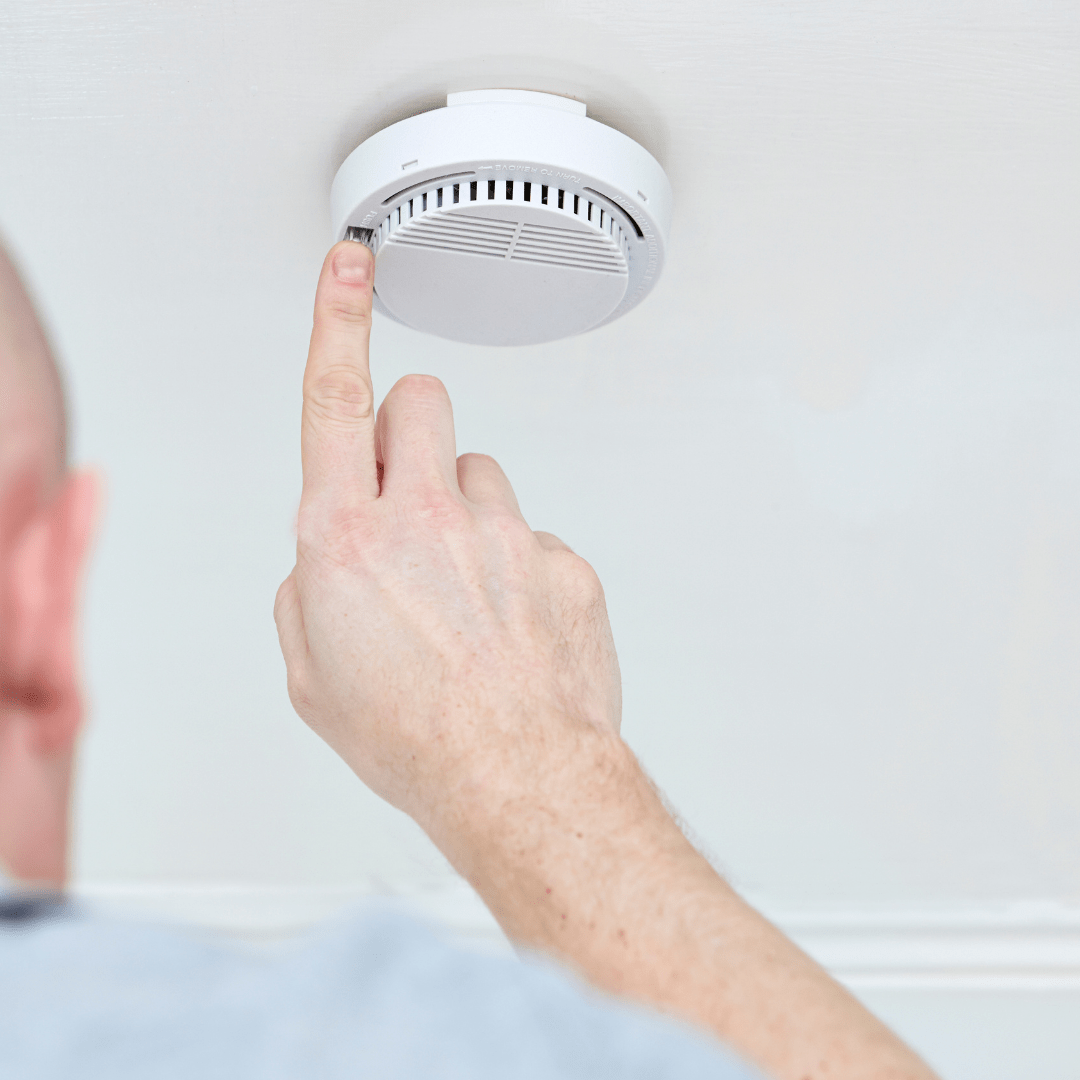
- Smoke Alarms: test your smoke alarms monthly to ensure they are in working order. Replace batteries as needed, and if your alarms are more than 10 years old, consider replacing them.
- Carbon Monoxide Detectors: if you have fuel-burning appliances or an attached garage, install carbon monoxide detectors. Test them regularly and replace batteries as necessary.
3. Electrical Safety: inspect electrical cords for fraying or damage and replace them if needed. Check outlets and switches for signs of overheating or loose connections. Avoid overloading electrical circuits and hire a qualified electrician for periodic inspections (more on that below).
4. Fire Extinguishers: have a fire extinguisher on each floor of your home, especially near the kitchen. Check the pressure gauges periodically, and have them serviced or replaced as required.
5. Home Security: check the effectiveness of your home security measures, including locks on doors and windows, burglar alarms, and CCTV systems. Make sure they are functioning properly and update security codes or passwords periodically.
6. Childproofing: if you have young children, regularly review and update childproofing measures such as safety gates, cabinet locks, and window restrictors. Ensure hazardous substances and objects are kept out of reach.
7. Fire Escape Plan: develop and practice a fire escape plan with all household members. Ensure everyone knows the evacuation routes and the designated meeting point outside the home.
8. Water Safety: check plumbing and water connections for leaks or signs of damage. Ensure taps, showers, and other fixtures are in good working condition. Regularly test and maintain any water safety equipment you have, such as backflow prevention devices or water softeners.
When to call an expert.
Sometimes, safety can only be guaranteed with a bit of expert help. Here are 3 key ways that experts can enhance the safety of your home:
Gas Safety Checks
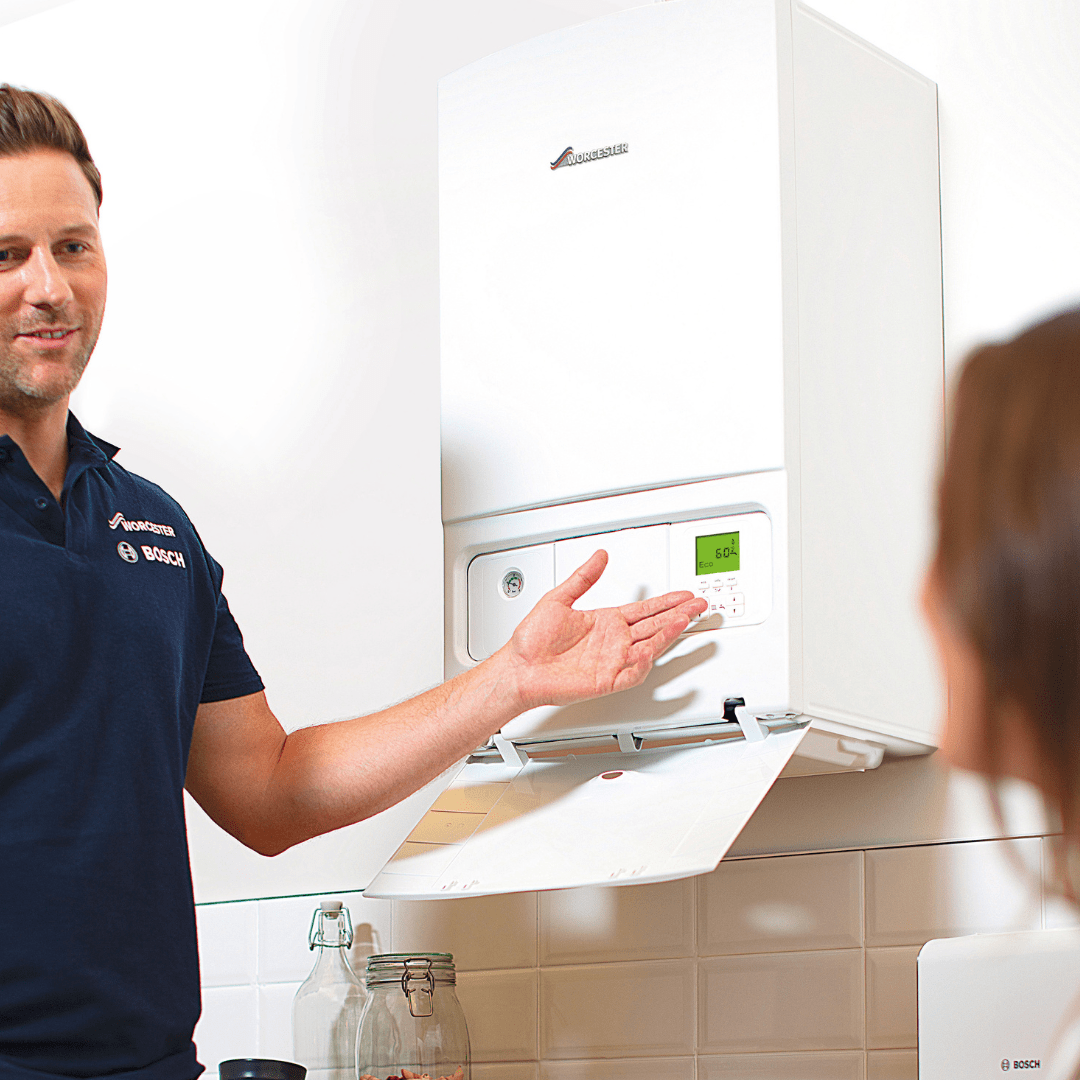
If improperly maintained, gas appliances, like boilers, ovens, and gas fires can pose serious risks including gas leaks, fires, explosions, and carbon monoxide poisoning.
Annual gas safety checks are recommended to keep your home safe. These checks, performed by a Gas Safe registered engineer, include:
- Checking the gas appliances for gas tightness.
- Testing the flue flow to ensure harmful gases are being safely removed.
- Checking the appliance’s safety devices.
- Inspecting the appliance is using the right pressure.
- Ensuring the ventilation routes are in good condition.
Remember, only a Gas Safe registered engineer is legally allowed to carry out gas work, including gas safety checks.
Electrical Safety Checks

In addition to gas safety, it’s equally important to have regular electrical tests done. Faulty electrical systems are a leading cause of house fires in the UK. Having your electrical systems regularly checked reduces the risk of fire and ensures your home’s safety.
Electrical Installation Condition Reports (EICR), formerly known as Periodic Inspection Reports, should be carried out at the following intervals:
- For homeowners, it’s recommended every 10 years.
- For rented properties, it’s required every 5 years or at each change of tenancy, whichever is sooner.
- For caravans, every 3 years.
- For swimming pools, annually.
These checks are done by a qualified electrician and include:
- Checking for any potential electric shock risks and fire hazards.
- Identifying any defective electrical work.
- Checking for overloading of electrical circuits or equipment.
- Testing protective devices to make sure they are effective
Chimneys and flues
To avoid the risk of fire or carbon monoxide poisoning, have a professional inspect and clean chimneys or flues regularly.
The Importance of Regular Checks
Keeping on top of these regular safety checks is crucial for several reasons:
- Safety: regular checks ensure the safety of your home by identifying any risks early on. They help in preventing dangerous incidents like gas leaks, fires, or electrical shocks.
- Legal Requirements: for landlords in the UK, these safety checks are a legal requirement. It’s important to comply with these regulations to ensure the safety of your tenants and avoid potential legal complications.
- Cost Savings: regular safety checks can save you from expensive repairs down the line. By catching any potential issues early, you can fix them before they turn into major problems.
Need help? We can provide gas and electrical safety checks. Get in touch today to book yours.