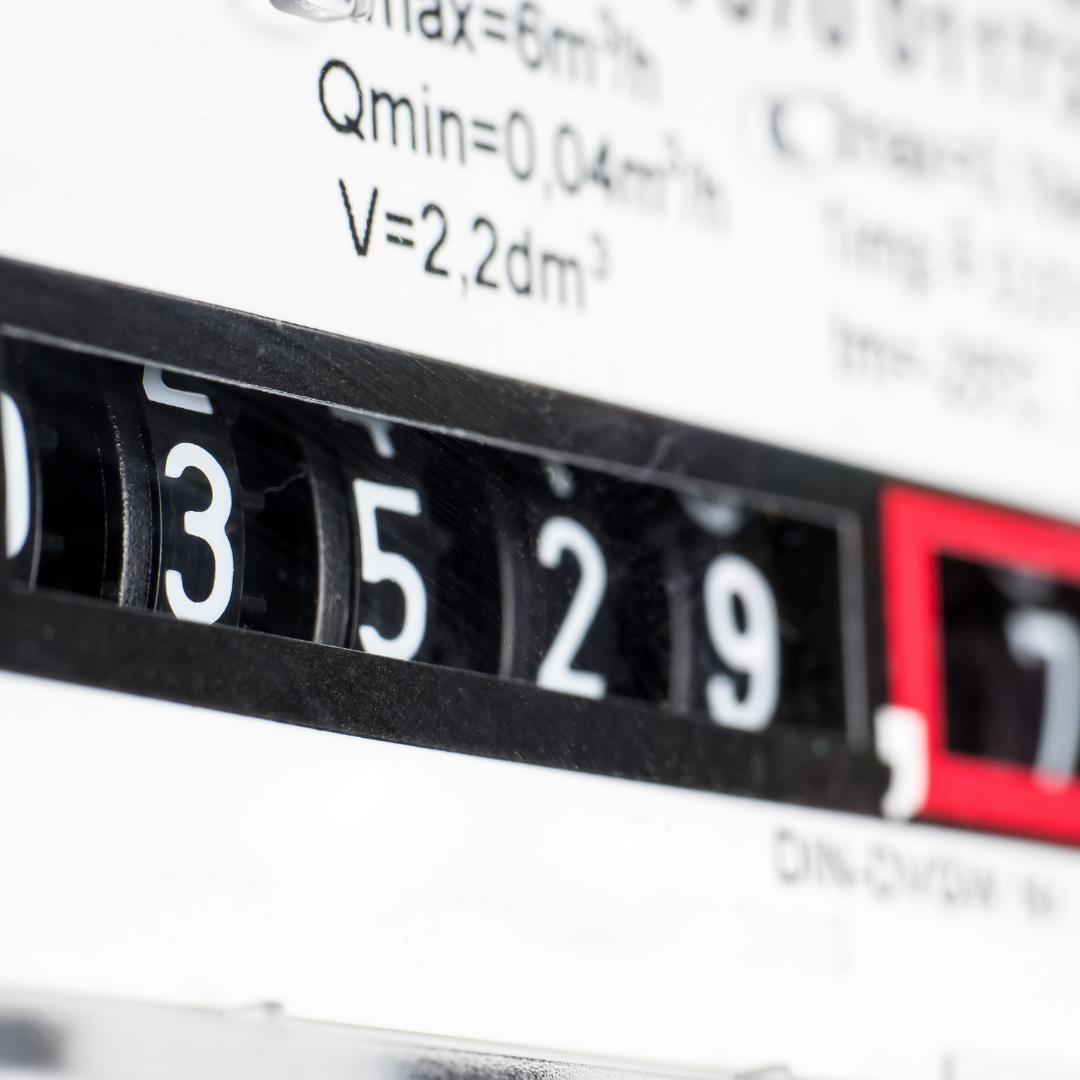
Why you need to take a meter reading on March 31st – and how to cut your bills
From April 1 there will be a hike in energy prices. We explore how to keep costs down as prices rise.
1. Switch standby OFF
Leaving electrical appliances on standby costs money. Many appliances can be switched off at the socket with no problems – but double check for each appliance because some will need to stay connected to the internet or the mains in order to keep operating properly. If rummaging behind the TV for the socket feels like a chore, consider buying app-activated plugs that enable you to switch off multiple appliances in one go.
2. Unplug your chargers
Leaving chargers plugged in wastes electricity, so simply unplug them when they’re not in use.
3. Rethink your washing
Do you really need to wash that jumper or would a spot clean work just as well? Explore ways to cut your washing machine use – some clothes don’t need as much washing as we might commonly think, and when you do wash them, try to use the eco cycle unless a hotter wash is really necessary. To be even more energy efficient, wait until you have a full load before doing a wash. When it comes to drying, air dry your clothes where possible; placing your clothes on drying racks, on radiators (when you have them turned on anyway), or on the washing line in fair weather will cost you nothing extra.
4. Switch the lights off
It’s so easy to leave lights switched on, but this can significantly impact your electricity bills. Consider fitting motion sensor or night lights where needed and replace your bulbs with LED bulbs for enhanced savings.
5. Rethink your bathing habits
A big, hot bath costs more money than a shower, and cutting your time in the shower can also reduce your energy bills. Yes, it’s a lovely luxury sometimes – but with the energy price hikes, maybe a quick blast is better than a wallow.
6. Cut your kitchen water use
Making a cup of tea? Then only put one cup of water in the kettle; you’ll waste energy if you boil more water than you need. You can also fit aerators to your taps to cut the amount of water they expel without reducing their cleaning efficiency. When it comes to using the dishwasher, wait until it’s full before switching it on – and use the eco setting.
7. Time your heating
Rethink when and how you use your heating – for example, consider switching it off earlier in the evening and wrapping up warm
8. Change your cooking habits
Microwaves and slow cookers are more energy efficient than gas and electric ovens, so explore ways to use them more in your cooking.
9. Insulate!
Do you have draughty windows and doors? These could be lowering the temperature in your home and forcing you to use more heating. Many of these issues can be addressed with simple DIY solutions – a draught excluder on the bottom of a door, for example, or thicker curtains, but it’s also worth considering professional help for some issues. Key areas to address include not only windows and doors but also skirting boards, chimneys and cracks between floorboards. You should also insulate your loft and your hot water cylinder, if you have one
10. Get a new boiler
Old boilers can guzzle gas, so the outlay for a new one can be worth it in the long run. Get in touch with us if you’d like to discuss energy efficient boiler options and payment plans.